The In-Between Weather Wardrobe Problem (Cold Mornings, Warm Afternoons)
The hardest weather to dress for is not deep winter — it is the fortnight where you leave in a coat at eight and are carrying it by noon. Here is why transitional weather defeats wardrobes, how to dress for it, and how to layer properly.
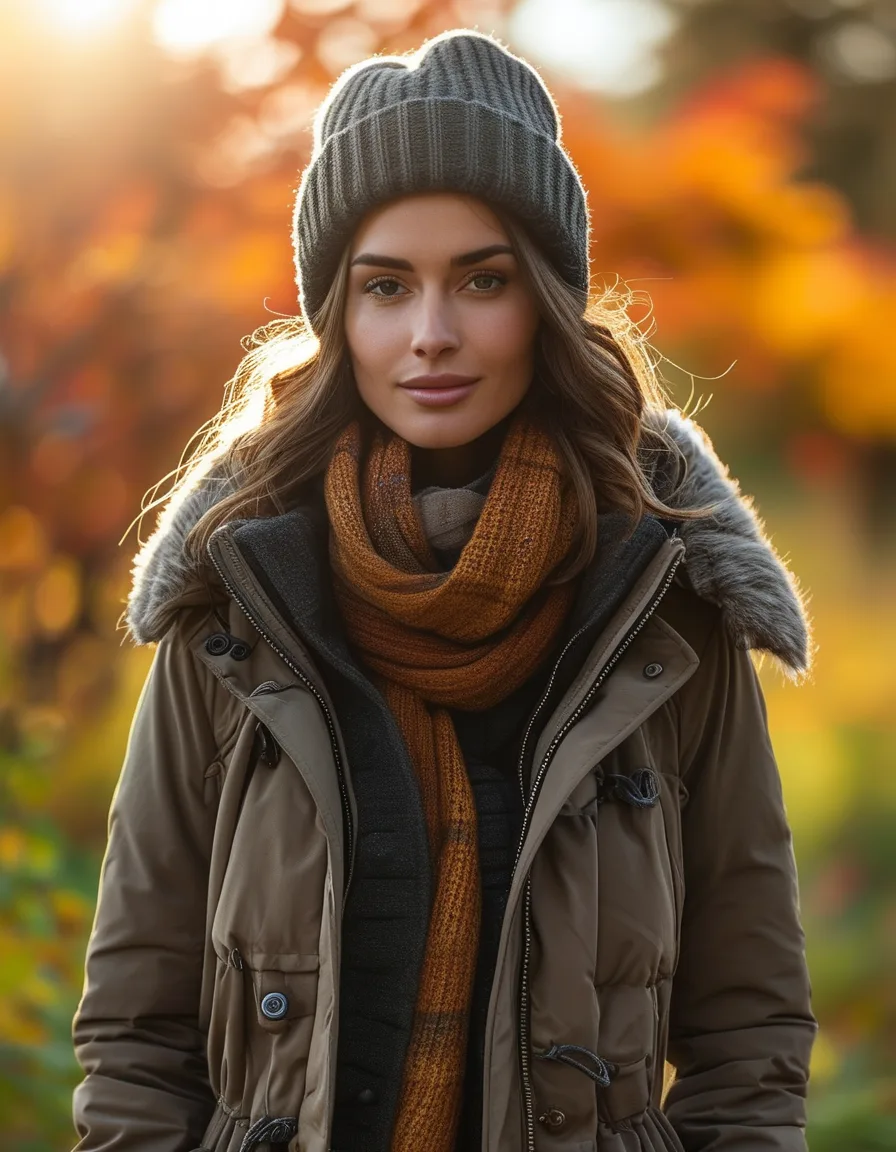
Why Transitional Weather Is the Hardest
Two climates in one day: the the-two-temperatures-one-outfit (the one outfit having to cover a fifteen-degree swing from the transitional-layering logic — the two-temperatures), the the-you-end-up-carrying-things (the removed layers becoming things you have to carry from the fall-outfit logic — the carrying-things), the the-winter-clothes-are-too-much (the winter pieces being too warm by afternoon from the fall-essentials logic — the winter-too-much), the the-summer-clothes-are-too-little (the summer pieces being too cold at eight in the morning from the fall-essentials logic — the summer-too-little), the the-it-is-a-layering-problem (the the whole thing being a layering problem from the transitional-layering logic — the layering-problem), and the reframe (the transitional weather as the hardest to dress for — a single outfit covering a fifteen-degree swing, which makes it a layering problem, not a wardrobe one).
How to Dress for It
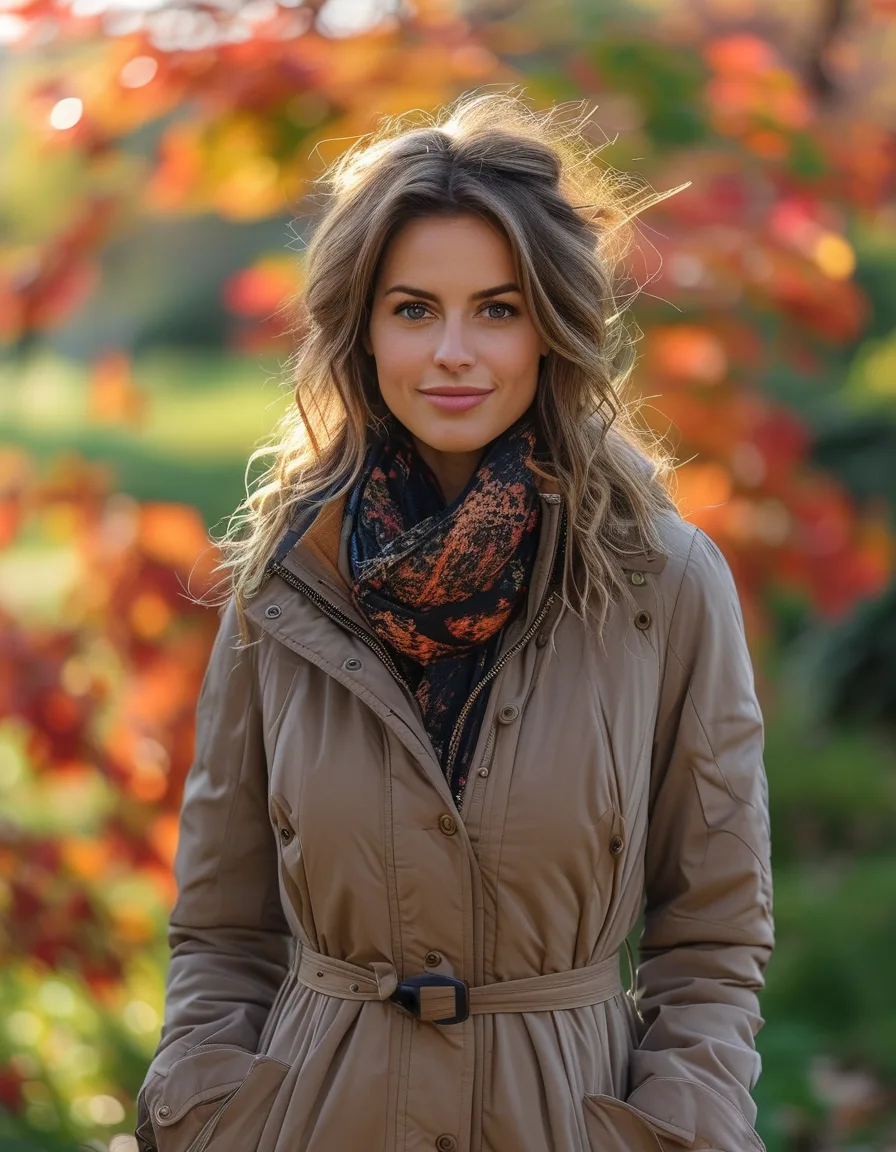
The transitional formula: the the-a-light-base-layer (the a light base you are comfortable in alone from the transitional-layering logic — the light-base), the the-a-mid-layer-you-can-remove (the a knit or shirt as the removable middle from the transitional-layering logic — the removable-mid), the the-a-light-outer (the a light jacket or trench rather than a heavy coat from the fall-essentials logic — the light-outer), the the-layers-that-look-good-alone (the each layer working as an outfit by itself from the transitional-layering logic — the each-layer-works), the the-a-packable-outer (the an outer you can fold into a bag from the fall-outfit logic — the packable-outer), the the-a-scarf-as-the-adjuster (the a scarf as the easiest temperature adjuster from the fall-essentials logic — the scarf-adjusts), the the-transitional-footwear (the footwear that works wet or dry from the fall-essentials logic — the transitional-shoes), and the the-a-bag-that-takes-a-layer (the a bag with room for the removed layer from the fall-outfit logic — the bag-takes-a-layer).
The Layering Notes
Layering that works: the the-thin-layers-beat-thick (the several thin layers beating one thick one from the layering-thin-pieces logic — the thin-beats-thick), the the-each-layer-must-stand-alone (the every layer looking intentional on its own from the transitional-layering logic — the stand-alone), the the-vary-the-lengths (the varying layer lengths so they read deliberately from the transitional-layering logic — the vary-lengths), the the-keep-the-volume-controlled (the keeping total volume controlled as layers add up from the layering-thin-pieces logic — the control-volume), the the-natural-fibres-regulate-better (the wool and cotton regulating temperature better from the fall-essentials logic — the natural-fibres), the the-the-outer-sets-the-look (the the outer layer setting the look most of the day from the statement-autumn logic — the outer-sets-look), the the-plan-for-the-afternoon-not-the-morning (the dressing for the whole day, not the moment you leave from the transitional-layering logic — the plan-the-whole-day), and the frame (the transitional weather as a layering problem — a light base, a removable mid and a packable light outer, each layer standing alone — cold mornings, warm afternoons. Build a light base, a removable mid layer and a packable outer, and make sure each layer works alone).
The hardest weather to dress for is not deep winter — it is the fortnight where you leave in a coat at eight and are carrying it by noon. Transitional weather is hardest because one outfit covers two temperatures, you end up carrying things, winter clothes are too much, summer clothes are too little, and it is fundamentally a layering problem. Dress for it with a light base layer, a removable mid layer, a light outer, layers that look good alone, a packable outer, a scarf as the adjuster, transitional footwear, and a bag that takes a layer. Layer well: thin layers beat thick, each layer must stand alone, vary the lengths, control the volume, use natural fibres, let the outer set the look, and plan for the afternoon not the morning. Cold mornings, warm afternoons.
Keep Reading
This article is for general styling and informational purposes only. Trends, sizing, availability and pricing may vary by brand and season.